




Before and After Photos
Real patient results from our expert procedures
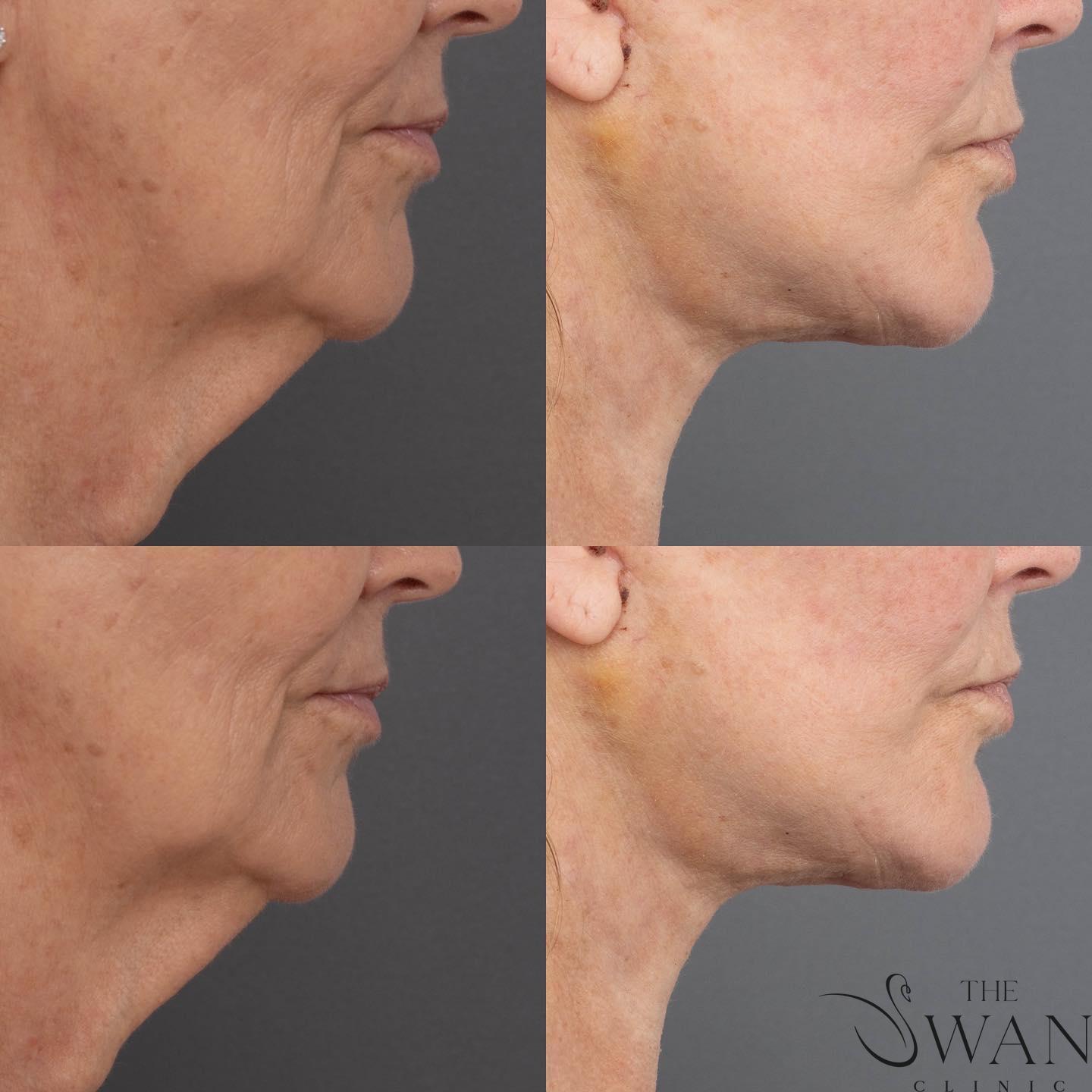
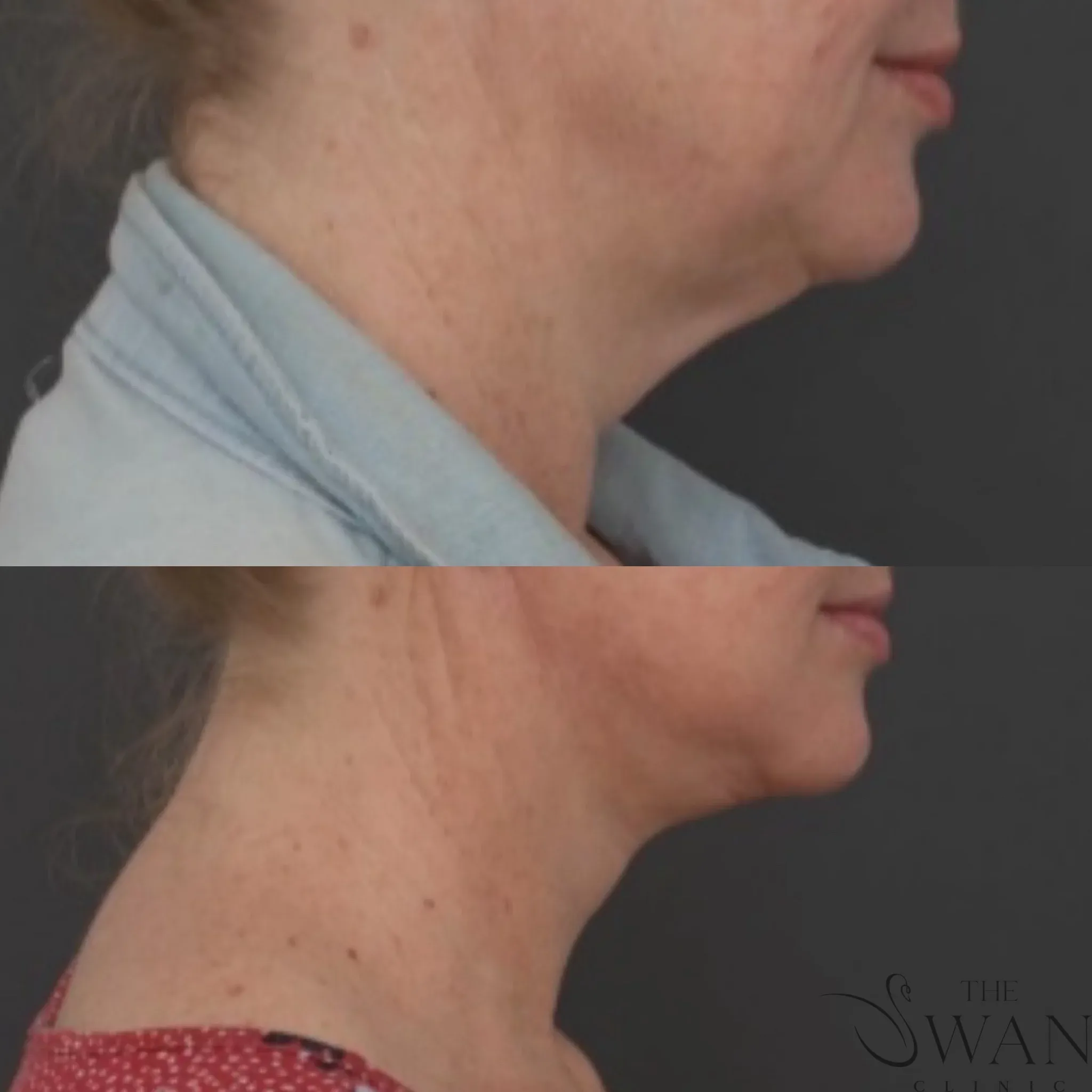
Meloplasty and Platysmaplasty surgery procedures are established surgical options for individuals looking to address age-related changes in the face and neck area.
This guide outlines the different types of Meloplasty and Platysmaplasty surgery procedures available at our clinic, offering detailed information on the benefits and suitability of each technique to help you make an informed decision.
Real patient results from our expert procedures
The deep plane Meloplasty is a surgical technique that targets the deeper layers of the face, including muscles and connective tissues. This approach allows for repositioning and tightening of facial structures beyond the skin, providing more substantial and longer-lasting results compared to traditional meloplasty.
Incision Placement: Incisions are typically made along the hairline and around the ears, similar to traditional facelifts, but extend deeper to access the underlying tissues.
Muscle Repositioning: The deeper facial muscles and tissues are lifted and secured to improve facial structure and support.
Mid-Facial Improvement: This technique is effective in addressing changes in the mid-face and cheek area by repositioning tissues to restore fullness and support.
The mid-Meloplasty focuses on the central area of the face, specifically the cheeks and nasolabial folds. This procedure is suitable for patients with reduced volume in the mid-face region. By repositioning underlying tissues, the mid-facelift can help improve the structure and support of the mid-face.
This technique is often combined with other facial procedures to address multiple areas and achieve more comprehensive outcomes.
As part of the aging process, the neck may develop excess skin and muscle banding. Platysmaplasty, addresses these changes. Cervicoplasty involves removing excess skin, while platysmaplasty tightens the neck muscles to improve the neck’s structure and support.
The temporal brow surgery is sometimes performed together with a deep plane meloplasty or platysmaplasty. This procedure helps to manage the skin and tissues around the outer corners of the eyes, supporting better alignment of the skin following surgery.
Fat grafting involves removing fat from one part of the body and injecting it into areas of the face where volume has decreased or hollowness is present. This procedure uses your own tissue and can provide lasting results by restoring fullness to targeted areas.
Chin implant is sometimes performed with a deep plane facelift/neck lift to augment the chin if it is recessed (small or set back).
Drains
Drains are thin, flexible tubes placed during surgery to help remove excess fluid and blood from the surgical area. They assist the healing process and reduce the risk of complications such as hematomas (blood accumulation) or seromas (clear fluid accumulation) under the skin. Drains are typically removed the day after surgery.
Bandages
Bandages protect incision sites, help reduce swelling, and support the repositioned tissues after facelift surgery. These are usually removed alongside the drains on the first day after surgery.
Compression Garments
In some cases, patients may be advised to wear a compression garment around the head and neck. This applies gentle pressure to help reduce swelling and support healing. Compression garments are usually worn full-time for two weeks, then part-time for an additional two weeks.
As with any surgical procedure, a Meloplasty carries general and procedure-specific risks, including:
If you have any questions or wish to discuss Meloplasty options, please contact our clinic to schedule a consultation with Dr Reema Hadi.
If you would like more information on Meloplasty, you can visit the Australian Society of Plastic Surgery
This website contains content related to surgical procedures. Please confirm you are 18 years of age or above to continue.
The following disclaimer is a requirement of AHPRA
All surgical procedures carry risks.
Before proceeding, you should seek a second opinion from an appropriately qualified health practitioner.