
Before and After Photos
Real patient results
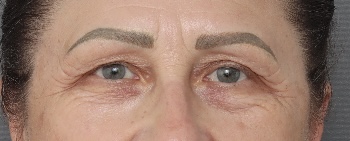 Before
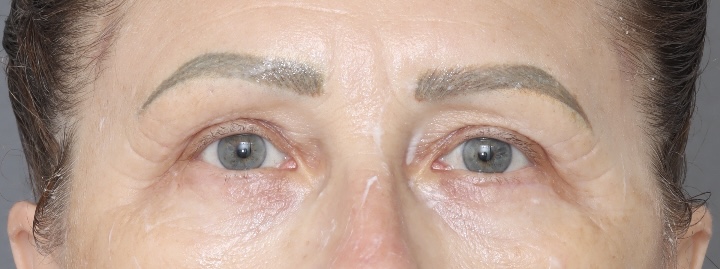 After
After
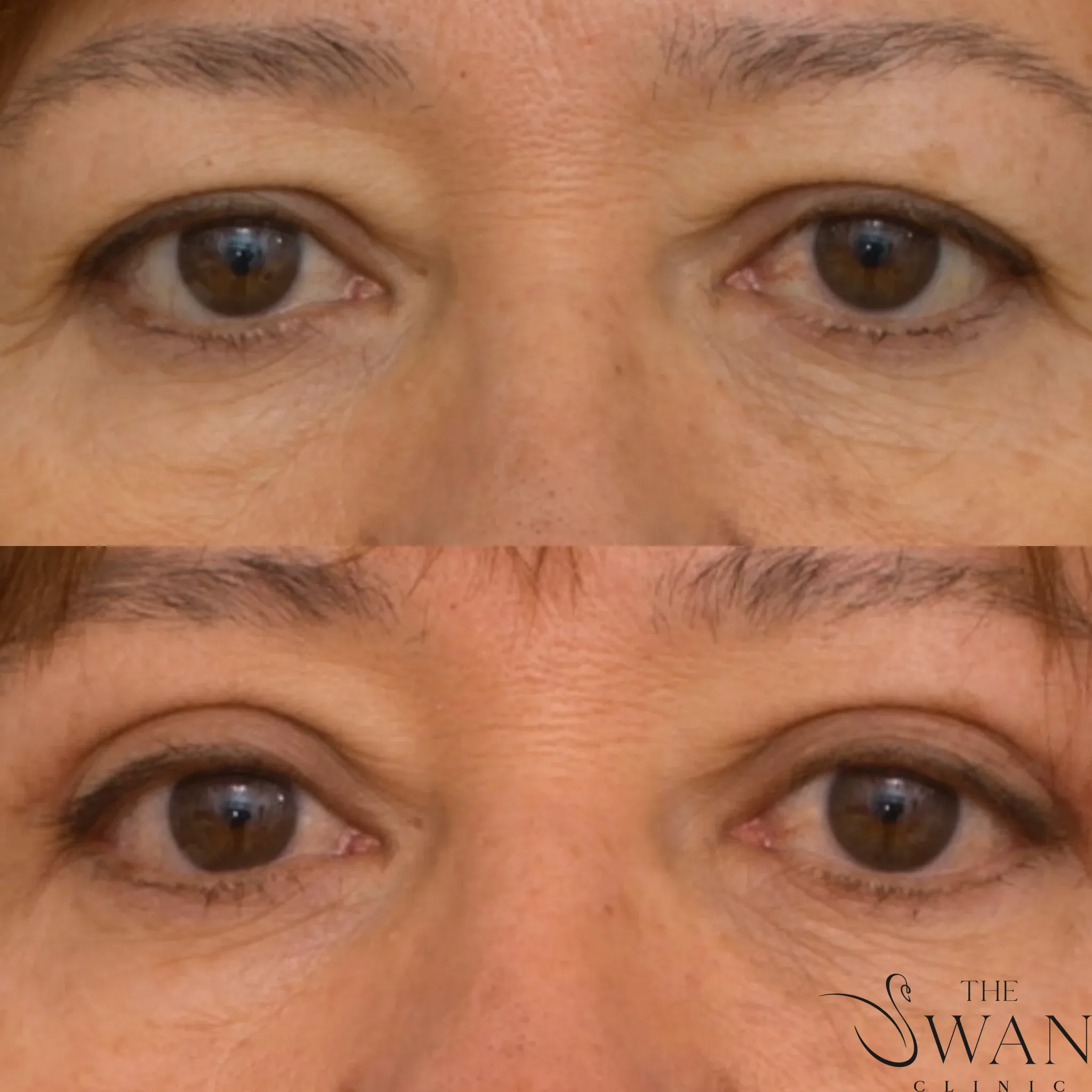
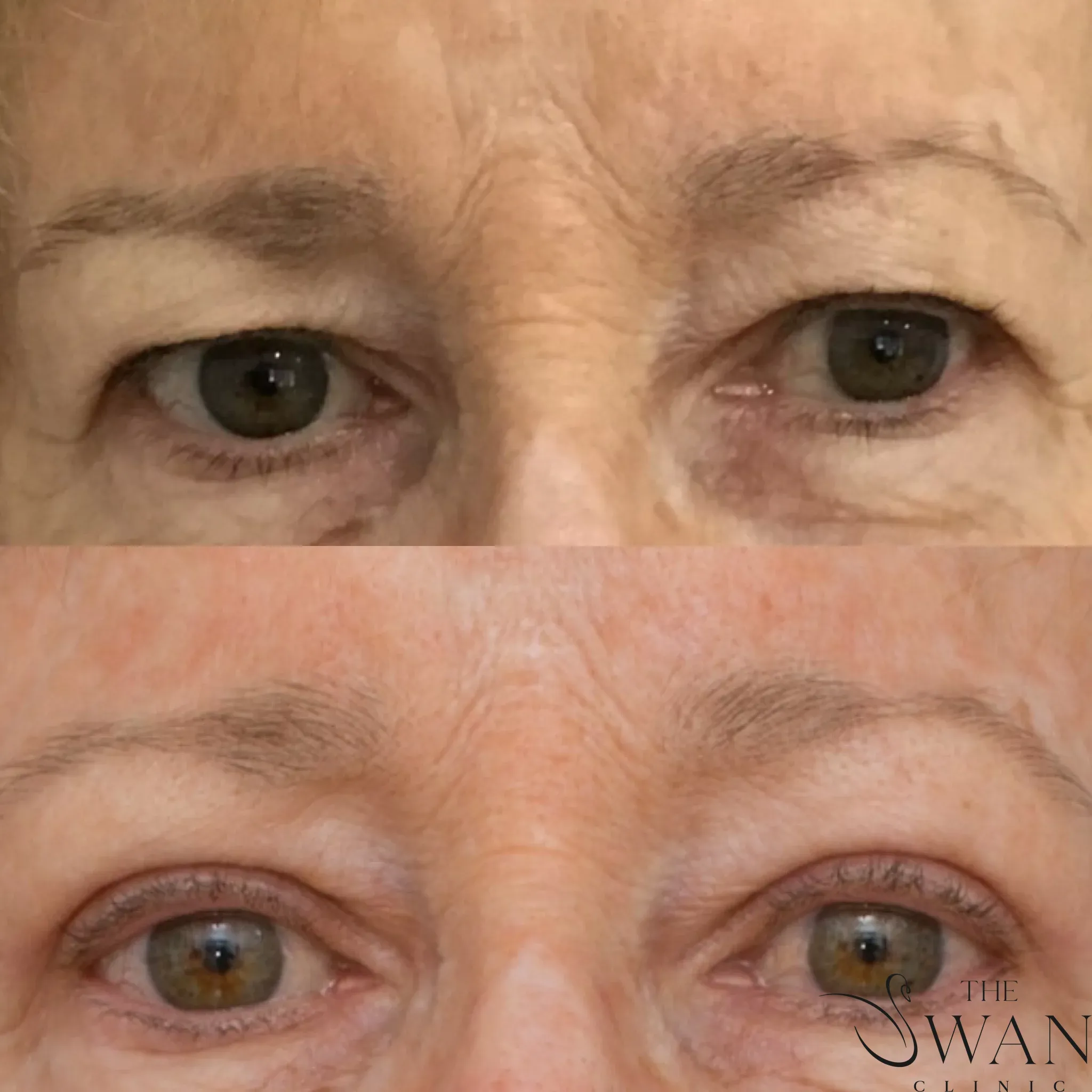
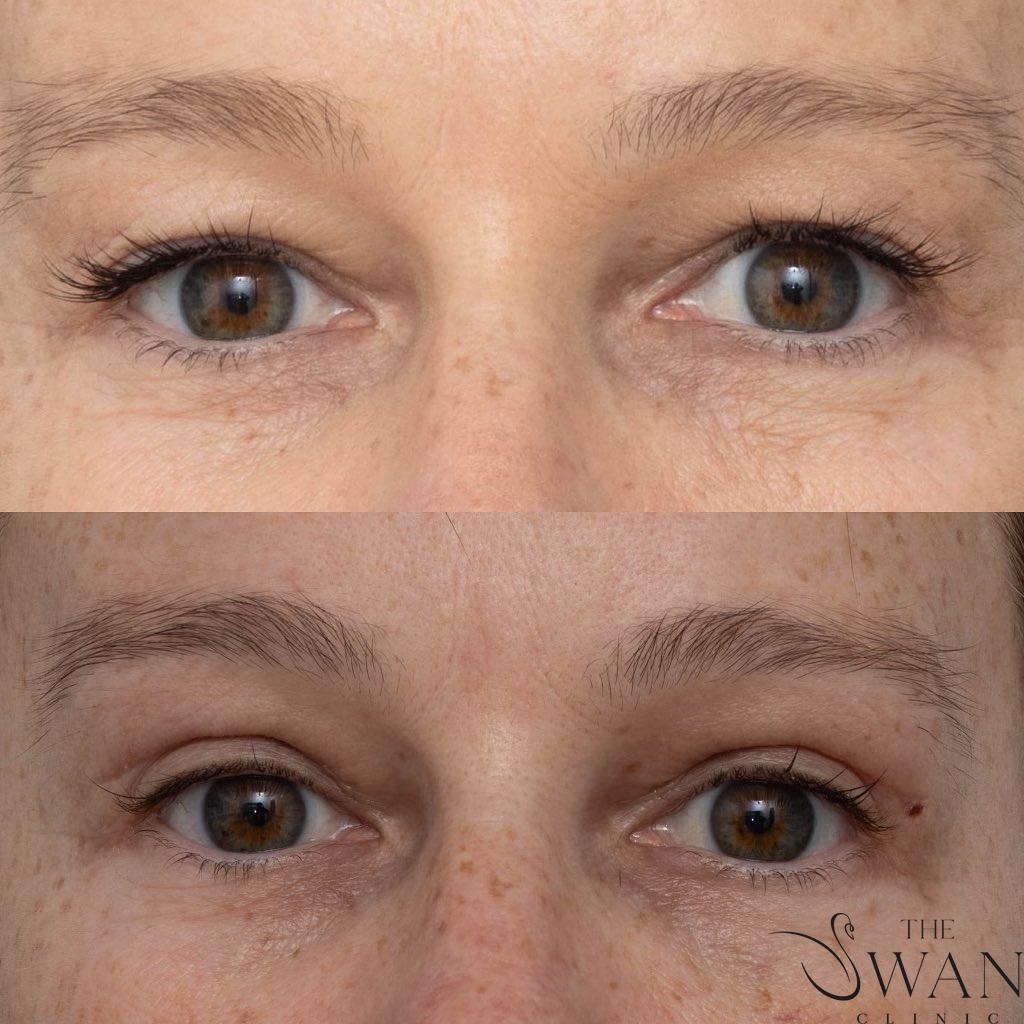
Real patient results
Before
After
What is an Upper Blepharoplasty?
Upper blepharoplasty is a surgical procedure involving the upper eyelids. The operation may include the removal or repositioning of tissue in the upper eyelid area. Hooding at the outer corners of the eyes can also be addressed during the procedure when clinically appropriate.
If the upper eyelid skin touches the eyelashes and obstructs vision, a Medicare item number may apply.
How to Achieve Optimal Outcomes
In the past, blepharoplasty surgery often involved removing significant amounts of skin and fat, which in some cases resulted in a hollow appearance around the eyes. Current techniques focus on repositioning tissues rather than excessive removal, aiming to preserve eyelid structure and function. This approach is based on updated anatomical knowledge and clinical experience to support improved surgical results.
How to Get the Best Results
A thorough assessment is essential before surgery to identify any underlying conditions that may affect the outcome. These include eyebrow ptosis (where the frontalis muscle compensates to lift the eyebrows), eyelid ptosis (which may require a separate surgical repair), and eyelid asymmetry. Addressing these factors during surgery can help achieve the intended surgical goals.
What is a Browpexy?
A browpexy is a surgical technique used to help raise and support the brow by securing it internally through an incision in the upper eyelid skin. This procedure is often performed alongside an upper blepharoplasty. Recovery may take longer than a standard upper blepharoplasty because sutures are anchored to the bone, and additional sutures are used to help define the upper eyelid crease.
Brow Lift
A brow lift can be performed using different techniques:
Lower Blepharoplasty
Lower blepharoplasty is a surgical procedure involving the lower eyelids. It may include the removal or repositioning of fat and the reduction of redundant tissue in the lower eyelid area. The procedure can be performed on its own or in combination with other clinically appropriate treatments. The operation focuses on adjusting the tissues of the lower eyelids based on individual anatomical considerations.
Typically, a lateral canthopexy or canthoplasty is performed alongside the lower blepharoplasty. These techniques support and anchor the outer corner of the eye, helping to maintain the results over time.
Procedure
This procedure is performed under general anaesthetic or sedation at The Swan Clinic or in hospital. It takes 1-2 hours and is performed as day stay. The sutures are removed after one week.
Potential Risks – Upper Blepharoplasty
As with any surgery, this procedure carries general and procedure-specific risks, including:
Recovery and Aftercare – Upper Blepharoplasty
Healing after upper eyelid surgery is generally well tolerated, but outcomes and recovery time can vary between individuals. Below is a general guide to the recovery process:
If you have any questions or wish to discuss blepharoplasty options, please contact our clinic to schedule a consultation with Dr Reema Hadi.
If you would like more information on Blepharoplasty, you can visit the Australian Society of Plastic Surgery
This website contains content related to surgical procedures. Please confirm you are 18 years of age or above to continue.
Enquire
Tell us a little about what you are considering. Dr Hadi's team will reply personally, in confidence.
All surgical procedures carry risks. Before proceeding, you should seek a second opinion from an appropriately qualified health practitioner.